By Cultured Canines of Tampa – Tampa’s Positive Reinforcement Dog Training Experts
If your dog barks, lunges, or growls on walks, you’re not alone—and you’re not a bad dog parent. Reactivity is one of the most common (and misunderstood) behaviors in dogs. At Cultured Canines of Tampa, we specialize in helping dog owners in the Tampa Bay area understand and resolve dog reactivity using modern, force-free training methods.
This guide will explain what reactivity is, why it happens, and how it impacts both dogs and their humans. You’ll also get practical tips to reduce reactivity, insights into your dog’s emotional world, and expert advice on managing the environment for success.
🐾 What Is Dog Reactivity?
Reactivity isn’t about being “bad” or “dominant.” It’s an emotional response—a way your dog communicates they feel overwhelmed or threatened. This can show up as:
- Barking or lunging at other dogs or people
- Growling or snapping when approached
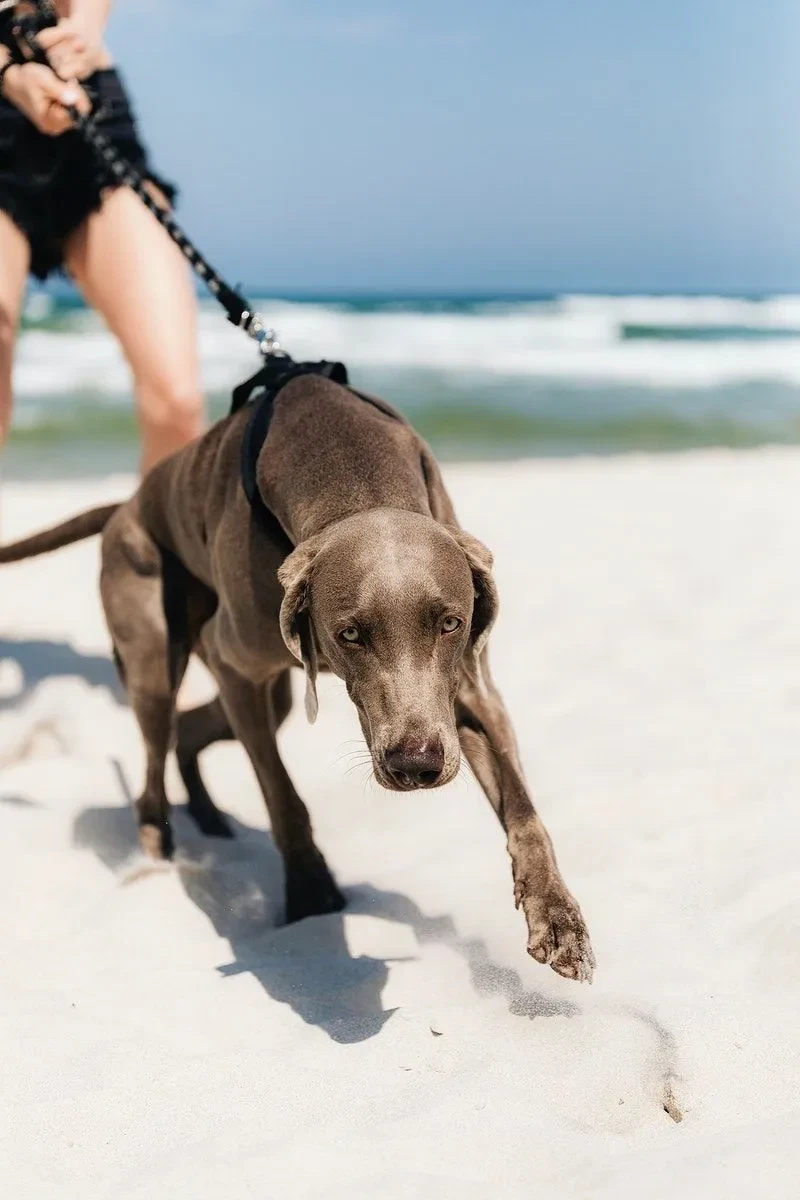
- Whining, pacing, or pulling on leash
As a Tampa dog trainer, I see this often. Dogs aren’t misbehaving—they’re trying to express, “I don’t feel safe.”
💥 Why Dogs Become Reactive (and What You Can Do)
Reactivity stems from emotional dysregulation. These aren’t random outbursts—they’re learned responses to stress, uncertainty, or lack of control. Here are the most common causes we see in our dog reactivity training programs in Tampa:
1. Fear & Insecurity
Dogs who bark or lunge are often scared. They’ve learned that reacting gets the “threat” to go away.
3 Tips for Fear-Based Reactivity:
- Create predictable routines so your dog knows what to expect
- Give them space from triggers instead of forcing interaction
- Reinforce calm behavior with high-value rewards when they remain under threshold
🔍 Trainer’s Tip: If you feel anxious, your dog will too. Breathe deeply, relax your posture, and let calm flow down the leash.
2. Frustration & Barrier Reactivity
Some dogs love people or other dogs but get frustrated when the leash or fence prevents access. This often presents as pulling, barking, or jumping.
3 Tips for Frustration-Based Reactivity:
- Teach focus behaviors like “watch me” or “touch”
- Let your dog move and sniff before and after training walks
- Practice greetings at a distance with neutral dogs in controlled settings
🔍 Trainer’s Tip: Not all reactive dogs are aggressive—some are overexcited social butterflies that need help managing energy and arousal.
3. Lack of Early Socialization or Past Trauma
Dogs that missed critical socialization or had negative experiences may react out of confusion or defense.
3 Tips for Under-Socialized Dogs:
- Avoid chaotic places like busy dog parks—start in quiet, calm areas
- Pair triggers with treats to build new, positive associations
- Respect their limits—pushing too far can cause setbacks
🔍 Tampa Dog Behavior Specialist Tip: Every dog deserves a second chance to feel safe. Be patient, consistent, and compassionate.
🧠 How Dog Reactivity Affects Your Dog’s Life
Living with reactivity is emotionally draining—for your dog and for you. It impacts their:
- Emotional health: Constant stress affects sleep, digestion, and behavior
- Confidence: Each reactive episode reinforces fear or frustration
- Quality of life: Reactive dogs often miss out on walks, outings, and social experiences
As a certified positive reinforcement dog trainer in Tampa, I’ve seen how transformational it is when dogs learn to feel safe again. They become calmer, more confident, and more connected to their humans.
💔 How Dog Reactivity Affects Your Life as a Pet Parent
Reactivity doesn’t just affect dogs—it deeply impacts the humans who love them. You may experience:
- Embarrassment in public when your dog reacts
- Frustration or guilt about not knowing how to help
- Isolation from avoiding walks, meetups, or parks
At Cultured Canines of Tampa, our training programs support you, too. We don’t just train dogs—we guide their people with the tools, empathy, and education they deserve.
🧭 Why Environment Management Is Key
Before your dog can learn to behave differently, they need to feel differently—and that starts with controlling their environment.
3 Environmental Management Tips for Reactivity:
- Choose low-traffic walking areas and avoid peak dog-walking hours
- Block visual triggers like windows and fences with cling film or baby gates
- Use the right gear: A front-clip harness and 6-ft leash provide control and safety without adding stress
🧘 Calm starts at home. Our Tampa-based reactivity training programs begin by helping you set up your dog’s world for success.
🐕 How to Tune In: Emotional Attunement for Dog Parents
Reactive behavior is a conversation. If we listen early, we don’t have to hear the shouting later.
3 Ways to Tune into Your Dog’s Emotions:
- Observe body language: Watch for signs like lip licking, yawning, stiff posture, or looking away
- Reward early noticing: Catch calm moments and reward before the reaction starts
- Regulate your energy: Your dog mirrors your nervous system—calm from you brings calm to them
🐾 At Cultured Canines of Tampa, we teach emotional awareness as part of all our behavior plans. Because calm is a two-way street.
🌟 Calm Is a Learned Skill—Let’s Teach It Together
We believe reactivity is not a permanent label. With the right tools, consistency, and emotional support, you and your dog can rebuild trust, safety, and joy.
Through our in-home reactivity training in Tampa, we help families:
✅ Reduce leash reactivity and emotional overwhelm
✅ Teach focus, calm, and alternative behaviors
✅ Strengthen the dog-human bond through compassionate leadership
💌 Ready to Help Your Reactive Dog?
We offer personalized behavior training for reactive dogs in Tampa, Riverview, South Tampa, Hyde Park, and surrounding areas. If your dog struggles on walks, avoids guests, or feels unsafe in the world, we’re here to help.
📍 Serving Hillsborough, Hillsborough,Pinellas, Pasco & Polk Counties
📩 Message us “CALM” to schedule your free consultation
Let’s walk this journey—together.
Cultured Canines of Tampa
Where emotional wellness meets expert training.